3-2-1 Drinking Rule: Meanings, Safe Drinking Tips, and Aussie Standard Drinks
 Sep, 3 2025
You’ve heard the phrase and everyone acts like it’s obvious. The reality? People use “3-2-1” in drinking to mean different things-some about moderation, some about cocktails, some about hydration. Here’s the straight, practical version so you can apply it tonight without guesswork. I live in Sydney, I’m a mum, and I like rules that actually work when you’re at a pub, a party, or just making margaritas in the kitchen.
TL;DR: What people mean by the 3-2-1 drinking rule
The term 3-2-1 drinking rule isn’t one official health guideline. It’s a shortcut people use in a few ways. If you clicked this because you want the “right” version, here’s what you’re probably after:
- Moderation/pacing shortcut (common in wellness chats): 3 drinks max in a night, 2 alcohol-free days per week, 1 glass of water between drinks. Not an official standard-just a handy limiter.
- Hydration + hangover control: 3 hours before bed stop alcohol, 2 glasses of water before you sleep, 1 good meal earlier in the evening. Again: a routine, not a medical rule.
- Mixology ratio (cocktails): 3:2:1 margarita-3 parts tequila, 2 parts orange liqueur, 1 part lime. This one is clear, consistent, and actually a classic recipe.
Which should you use? If your goal is safer social drinking, use the moderation/pacing version. If your goal is better mornings, use the hydration routine. If you’re mixing drinks, use the margarita ratio.
Reality check for Australia (NHMRC 2020 guidelines): to reduce lifetime risk from alcohol, aim for no more than 10 standard drinks a week and no more than 4 on any one day. A standard drink here is 10 g of pure alcohol-check the label or use the chart below. In the U.S., the NIAAA’s low-risk limits differ (they use 14 g per standard drink), so don’t copy U.S. counts in Australia.
| Drink (Australia) | Typical serve | Approx. standard drinks |
|---|---|---|
| Full-strength beer (4.8%) | 375 ml can | ~1.4 |
| Mid-strength beer (3.5%) | 375 ml can | ~1.0 |
| Wine (12-13%) | 150 ml glass | ~1.4-1.6 |
| Sparkling wine (12%) | 150 ml flute | ~1.4 |
| Spirits (40%) | 30 ml shot | ~1.0 |
| Premix RTD (5-8%) | 375 ml can | ~1.2-2.0 (check label) |
Rule of thumb: your body typically clears about one standard drink per hour, but it varies by body size, sex, food, meds, and genetics. Don’t use that as a green light to drive-plan transport.
How to use it safely (step-by-step)
Before we jump in, pick your goal: pace yourself at a party, wake up fresher, or make a perfect margarita. Here’s exactly how to apply each “3-2-1.”
1) Moderation/Pacing version: “3 drinks max, 2 alcohol-free days, 1 water between drinks”
- Set your ceiling: Decide your per-occasion cap before you start. For most people using this rule, that’s 3 standard drinks max in a night. In Australia, also aim for no more than 4 standard drinks on any single day as per NHMRC.
- Count standard drinks, not glasses: A large wine pour can be 1.8-2 standard drinks. A pint (425-570 ml depending on the venue) can easily be 1.6-2 standards at full strength. Ask the venue for standard drink info or check the bottle.
- Pace: One drink per hour is a practical upper limit. Better: alternate-drink, water, drink, water. That’s the “1 water between drinks” part doing the heavy lifting.
- Plan transport first: Book a rideshare or pick a designated driver before the first round. You won’t be tempted to “do the maths” later.
- Stack alcohol-free days: Pick two days a week with no alcohol. Your sleep, mood, and training will thank you. I set mine for Monday and Tuesday-easiest after a weekend.
Why it works: It caps the total, slows the pace, and forces hydration. It’s not perfect science, but it beats “I’ll just see how I go.”
2) Hydration/Hangover-control version: “3-2-1 before bed”
- Stop alcohol 3 hours before sleep: That gives your body a head start metabolising alcohol so your sleep is less fragmented.
- Drink 2 glasses (about 500-600 ml) of water in that window: Sip, don’t chug. Electrolytes if you’ve been sweating (summer gigs, dancing, sport).
- Eat 1 balanced meal earlier in the evening: Protein, carbs, some fat. Food slows absorption and steadies blood sugar.
Why it works: Alcohol suppresses REM early and rebounds later, which wrecks sleep quality. Front-loading food and water, and stopping earlier, reduces the damage.
3) Mixology version: “3:2:1 margarita”
- 3 parts good blanco tequila
- 2 parts orange liqueur (Cointreau/triple sec)
- 1 part fresh lime juice
Shake with ice, strain into a chilled (salted) glass. Taste and adjust lime for tartness. If you’re counting: with 40% spirits and a 90 ml total pour, that’s roughly 1.6-2 standard drinks per serve depending on your exact measures-so one can be plenty.
Safety notes backed by credible sources:
- Australia’s NHMRC (2020): reduce risk by staying under 10 standard drinks a week and 4 in any one day; no safe amount in pregnancy and for kids.
- U.S. NIAAA: defines a standard drink as ~14 g alcohol; low-risk limits differ from Australia’s. If you’re reading U.S. advice online, adjust for our 10 g standards here.
- Driving: In most Australian states the legal limit is 0.05 BAC for full licence holders, and 0.00 for learners/provisional and some professional drivers. Don’t self-calculate-use transport you planned earlier.
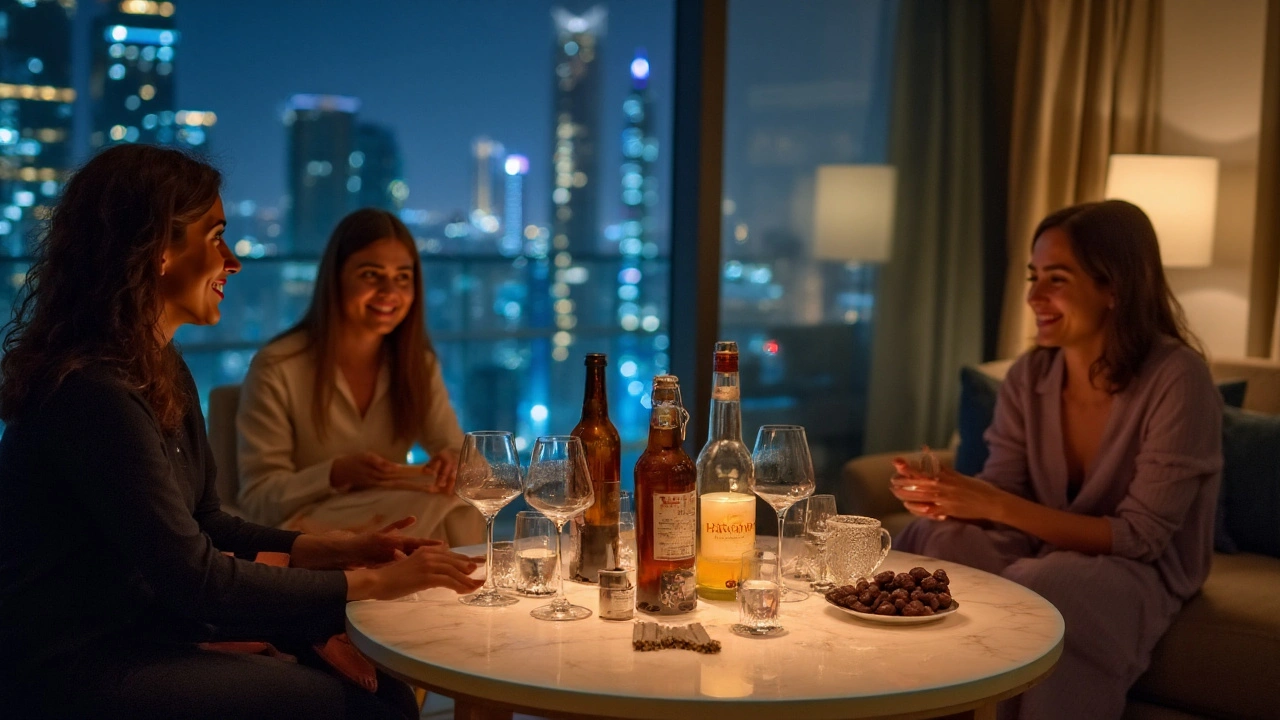
Real-world examples, cheat-sheets, and a quick decision guide
Here’s how the rule plays out on a night out, at home, and when you actually care about tomorrow morning.
Example 1: Friday at a Sydney pub
- Plan: You cap at 3 standard drinks and alternate with water.
- Round 1: Mid-strength schooner (~1 standard). Water next.
- Round 2: Glass of wine, but you choose a small 120 ml pour (~1.1 standards) instead of a large. Water next.
- Round 3: 30 ml gin with soda and lime (~1 standard). You’ve hit ~3.1 standards. Time for a food stop and a soda.
- Outcome: You stay under both your personal cap and the NHMRC single-occasion 4 standard guideline. Ride home was pre-booked on your way there.
Example 2: House party with margaritas
- Mix a 3:2:1 margarita in small serves (e.g., 45 ml tequila, 30 ml orange liqueur, 15 ml lime). That’s about 1.4-1.6 standards if you top with ice and a splash of soda to lengthen.
- Serve in a smaller coupe, not a massive tumbler. Smaller glass, slower sips.
- Alternate with sparkling water and bowls of salted nuts, guac, and tacos-food + sodium helps with pacing.
Example 3: Big day tomorrow
- You switch to the “3 hours off, 2 glasses water, 1 meal” version.
- Stop your last drink around 8:30 pm if you want to sleep by 11:30.
- Have a proper dinner (chicken, rice, veggies). Sip 2 glasses of water before bed.
- Lay out your running gear. Morning-you says thank you.
Cheat-sheet: choose your 3-2-1
- If your goal is “stay in control”: use 3 max drinks, 2 AF days/week, 1 water between drinks.
- If your goal is “wake up fresher”: use 3 hours off before bed, 2 glasses water, 1 proper meal.
- If your goal is “better cocktails”: use the 3:2:1 margarita ratio.
Quick decision guide
- Are you driving, on meds, pregnant, or have a condition affected by alcohol? Choose zero alcohol. Full stop.
- Not driving and want one or two? Pick mid-strength beer or a small wine, pace with water, stop 3 hours before bed.
- Hosting? Pre-mix low-ABV options and put water within arm’s reach.
Practical pitfalls to avoid
- “Counting glasses” instead of standard drinks. Big mistake-volumes and strengths vary.
- “I’ll just take a shortcut home.” Don’t. Book before you drink.
- Mixing energy drinks with alcohol. You’ll feel alert but still impaired. Bad combo.
- Skipping meals. You’ll feel alcohol faster and often drink more to “chase the buzz.”
| 3-2-1 variation | Best for | How to apply | Limits to remember |
|---|---|---|---|
| 3 drinks max, 2 AF days, 1 water between | General social drinking | Cap at ~3 standards; alternate with water; schedule 2 alcohol-free days | NHMRC: ≤4 standards on any day; ≤10/week |
| 3 hours off, 2 waters, 1 meal | Sleep and recovery | Stop 3 hours pre-bed; drink 2 waters; eat a proper dinner | Doesn’t make you fit to drive |
| 3:2:1 margarita | Cocktail quality | 3 tequila : 2 orange liqueur : 1 lime, shaken | Usually >1 standard per serve |
Pro tips from real life
- Pre-commit out loud. Tell a friend, “I’m doing three max.” Social proof works.
- Use smaller glassware at home. It quietly resets your pour size.
- Order “water for the table” with the first round. You’ll drink it if it’s staring at you.
- For wine, ask for a 120-150 ml pour. Many places default to larger sizes now.
- Keep a standard drinks calculator app on your home screen. It’s boring and brilliant.
Mini‑FAQ and next steps
Is the 3-2-1 rule a real health guideline?
No. It’s a convenient rule of thumb, not a medical standard. For health risk reduction in Australia, use NHMRC guidelines (≤10 standards/week; ≤4 in a day).
Can I drive if I “followed 3-2-1”?
Don’t assume. BAC depends on body size, sex, food, timing, and drink strength. Legal limits vary by licence type. Plan transport and don’t risk it.
Does 3-2-1 work for weight loss?
It helps you drink less, which can cut kilojoules. But alcohol still adds energy (about 29 kJ per gram). If weight is your goal, also choose lower-ABV drinks, avoid sugary mixers, and set alcohol-free days.
Will 3-2-1 stop hangovers?
It reduces risk by pacing and hydrating, but nothing “cures” a hangover. Best prevention: drink less, drink slower, eat, and sleep.
Is the margarita 3:2:1 the only correct ratio?
It’s the classic. Some prefer a tad more lime (3:2:1.25) or a tiny agave syrup if the limes are very tart. Start classic and adjust to taste.
How fast does alcohol leave the body?
Roughly one standard drink per hour for many people, but it’s variable. Coffee, a cold shower, or food won’t speed it up.
What about pregnancy and medications?
No safe amount during pregnancy. If you’re on meds or have a health condition, check with your doctor or pharmacist-alcohol interacts with lots of common drugs.
What’s a “standard drink” again?
In Australia it’s 10 g of pure alcohol. Labels often show the count. Beer strength, wine pours, and cocktail recipes shift the number fast-so check.
Next steps if you want to cut back
- Set two alcohol-free days and protect them like a gym booking.
- Use the 3-drink cap and log standard drinks, not glasses.
- Swap to mid-strength or low-ABV options (great ones exist now).
- Tell your crew your plan-people are more supportive than you think.
- If you’re finding it hard, talk to your GP; brief support works and it’s normal to ask.
Troubleshooting different scenarios
- Big social pressure: Arrive a bit later, leave earlier, keep a drink in your hand (even if it’s soda with lime) so you’re not offered another constantly.
- No idea how many standards you’ve had: Stop, switch to water, have food, and call it a night. Future-you will be grateful.
- Early start tomorrow: Use the “3 hours off, 2 waters, 1 meal” version and stick to low-ABV choices.
- Mixing at home: Pre-batch cocktails at lower strength (half the spirits, same citrus and liqueur) so each glass is closer to one standard.
If you love structure, pick the version of 3-2-1 that suits your night and stick to it. If you want the simplest default: aim for three standard drinks max, water between each, stop three hours before bed, and book your ride home at the start. It’s not flashy, but it works-consistently.
Dubai Escort